Plumbing Planning Tips For Home Additions And Remodels
People seeking plumbing planning tips for home additions and remodels typically want to ensure proper water and waste system integration, and local contractors can help design and install reliable plumbing solutions.
If you're planning a home addition or a remodel, understanding plumbing planning tips for home additions and remodels is essential to ensure a smooth and successful project. Property owners in the area often explore this topic to avoid costly surprises and to make sure their new spaces are fully functional and comfortable. Properly integrating plumbing into your plans can help prevent future issues, improve efficiency, and ensure that your renovation meets your household’s needs. Local contractors experienced in remodeling and home additions can provide valuable guidance, helping to navigate the complexities of plumbing layouts, fixture placement, and code considerations.
Continuing with the right information can make a significant difference in how your project unfolds. Whether adding a new bathroom, expanding a kitchen, or reconfiguring existing plumbing, understanding key considerations can save time and reduce stress. Local service providers specializing in remodeling and home additions are equipped to assist with these planning tips, ensuring that your plumbing systems are designed effectively from the start. Keep reading to discover practical insights that can help turn your renovation ideas into a well-functioning, seamless upgrade.
- Remodeling plumbing - homeowners planning kitchen or bathroom renovations often need plumbing updates, and local contractors can ensure proper rerouting and fixture installation.
- Home additions plumbing - expanding a living space requires new water lines and drainage systems, with local service providers experienced in integrating these into existing plumbing.
- Bathroom remodels - updating bathrooms may involve relocating fixtures or installing new plumbing, and local pros can handle the complex rerouting needed for seamless results.
- Kitchen expansions - adding a new kitchen area often requires additional plumbing connections, with local contractors capable of coordinating with existing systems for efficient installation.
- Basement conversions - turning basements into living spaces involves installing or upgrading plumbing, and local service providers can manage the necessary connections for sinks, toilets, and laundry areas.
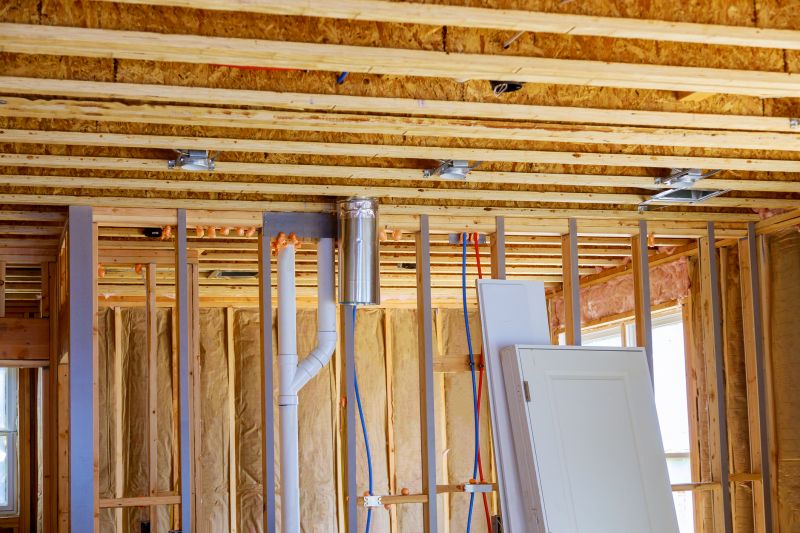
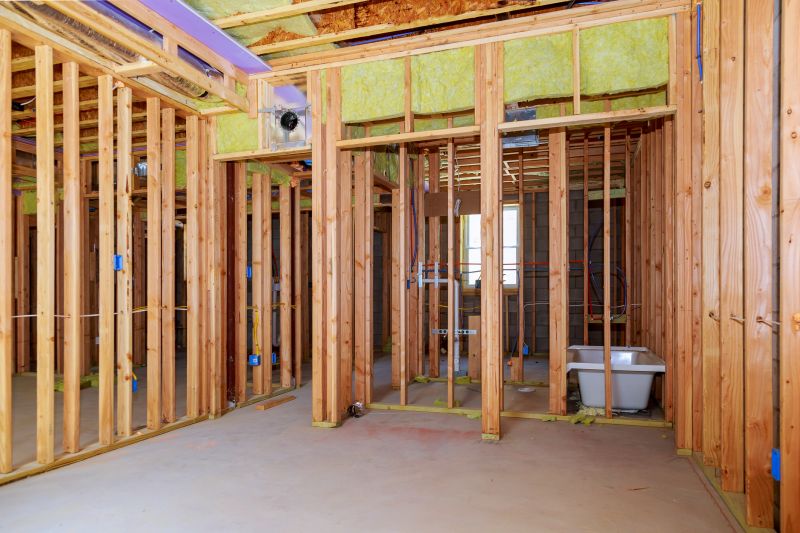
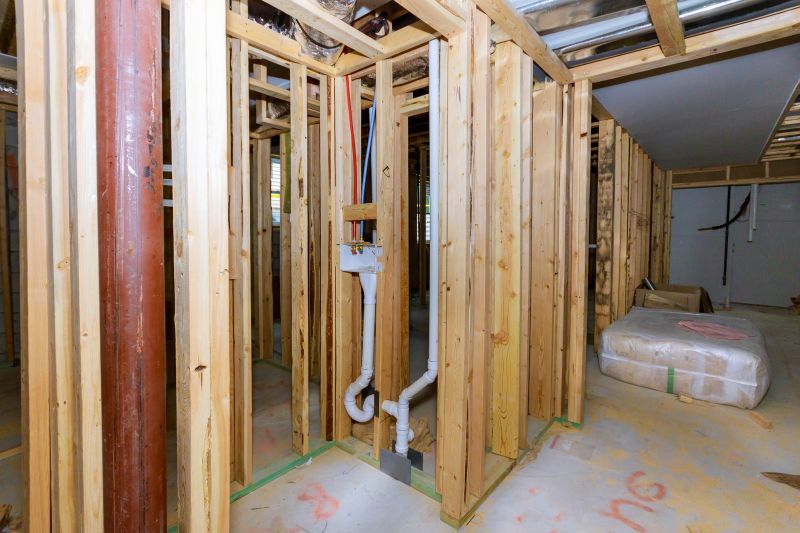
When homeowners search for plumbing planning tips for home additions and remodels, they are typically looking for guidance on how to integrate new plumbing systems into existing structures or design entirely new ones. This often relates to projects such as adding a new bathroom, expanding a kitchen, or converting a basement into livable space. These plans involve understanding how to extend or modify existing water supply lines, drainage, and venting systems to accommodate the new layout. Homeowners want to ensure that the plumbing will function efficiently, meet code requirements, and avoid future issues like leaks or drainage problems once the project is complete.
The kinds of problems associated with plumbing planning for home additions and remodels usually stem from space constraints, existing infrastructure limitations, or the need to upgrade outdated systems. For example, older homes might require rerouting or replacing old pipes to meet current standards, while new additions might require careful planning to connect to existing water and sewer lines without disrupting the entire property. Common issues include improper pipe sizing, insufficient venting, or inadequate drainage slopes, which can lead to slow drains or backups. Proper planning helps prevent these problems by addressing potential bottlenecks early in the design process, ensuring the new plumbing system is reliable and efficient.
Properties that frequently come up in discussions about plumbing planning for home additions and remodels include single-family homes, especially those built several decades ago, as well as multi-family buildings undergoing renovations. Homes with existing plumbing infrastructure often require modifications to support new fixtures or expanded spaces. In contrast, properties with limited or outdated plumbing systems might need comprehensive upgrades to handle increased demand or to meet current building codes. Local contractors experienced in remodeling and home additions can evaluate these properties to develop tailored plumbing plans that integrate seamlessly with existing systems while supporting the new layout.
Effective plumbing planning for home additions and remodels involves collaboration with experienced local service providers who understand the nuances of different property types. These professionals assess the current plumbing infrastructure, identify potential challenges, and develop detailed plans to extend or modify water supply, drainage, and venting systems. They also help ensure that the new plumbing setup complies with local codes and standards, reducing the risk of future issues. Connecting with qualified local contractors can provide homeowners with practical solutions, ensuring that their project’s plumbing aspects are well-designed, functional, and durable, supporting the overall success of the home improvement or expansion.
Bathroom Remodels - Bathroom renovation projects often involve new plumbing layouts and fixture installations, making them closely related to plumbing planning tips for home additions and remodels.
Kitchen Renovations - Upgrading or expanding kitchen spaces requires careful planning of water supply and drainage, aligning with the skills used in remodeling plumbing systems.
Basement Finishing - Converting basements into livable spaces typically involves extending plumbing lines and ensuring proper drainage, similar to home addition projects.
Laundry Room Installations - Adding or upgrading laundry areas requires precise plumbing setup, making it comparable to other remodeling plumbing services.
Garage Conversions - Turning garages into living areas often necessitates rerouting or installing new plumbing, which relies on similar planning skills as home additions.
Accessory Dwelling Units (ADUs) - Building small, independent units involves extensive plumbing planning to connect water and waste systems, paralleling home addition plumbing considerations.
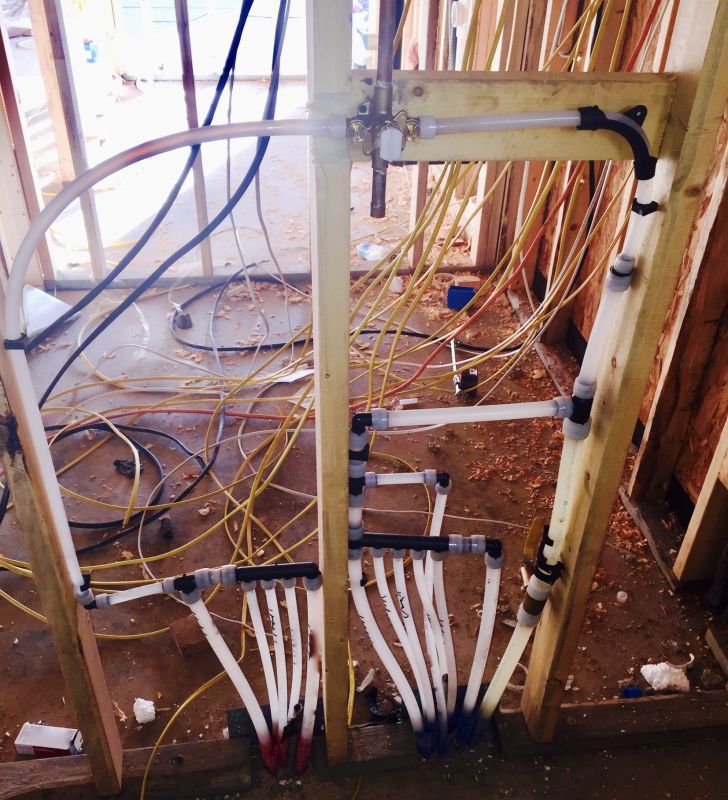
When comparing service providers for remodeling and home additions plumbing services, it is important to consider their experience with similar projects. Homeowners should inquire about the types of additions or remodels the contractors have worked on, ensuring they have a solid track record handling complex plumbing systems in spaces comparable to the planned project. An experienced contractor will be familiar with the unique challenges that come with integrating new plumbing into existing structures, which can help prevent costly mistakes and ensure the plumbing system functions smoothly once the work is complete.
Clear written expectations are essential when evaluating potential service providers. Homeowners should seek detailed proposals that outline the scope of work, materials to be used, and the steps involved in the project. Well-documented expectations help establish a shared understanding of the project requirements and reduce the risk of misunderstandings or surprises during the process. Reputable contractors often provide transparent communication about their approach, which can give homeowners confidence that the plumbing planning for their home addition or remodel will be handled professionally and thoroughly.
Reputable references and good communication are key factors when selecting local contractors for plumbing services. Homeowners can ask for references from previous clients who have undertaken similar projects to gain insight into the contractor’s reliability, quality of work, and professionalism. Additionally, effective communication during the initial consultation can reveal how well a service provider listens to needs, explains options, and responds to questions. Choosing a contractor known for clear, consistent communication and positive references can help ensure the plumbing aspects of a home addition or remodel are managed smoothly and meet expectations throughout the project.
Property owners often search for plumbing planning tips for home additions and remodels when they are planning practical projects around their homes and businesses. Local pros provide Remodeling and Home Additions Plumbing services for everyday jobs and straightforward project options.
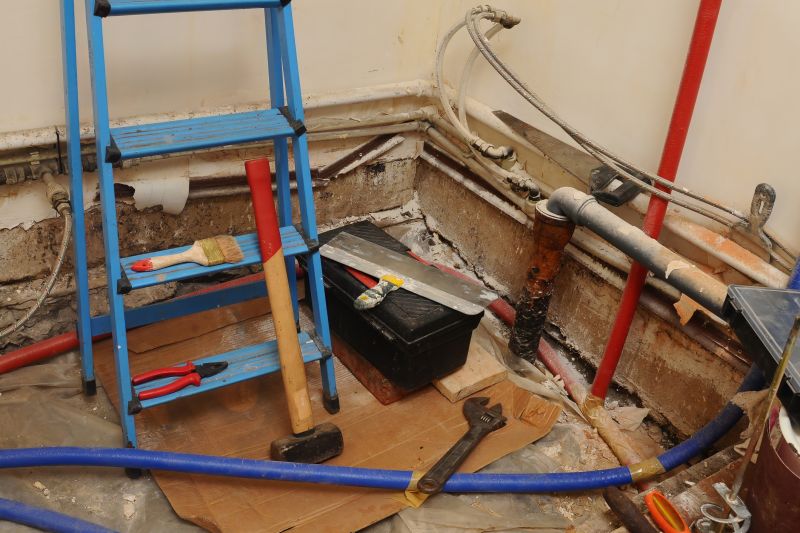
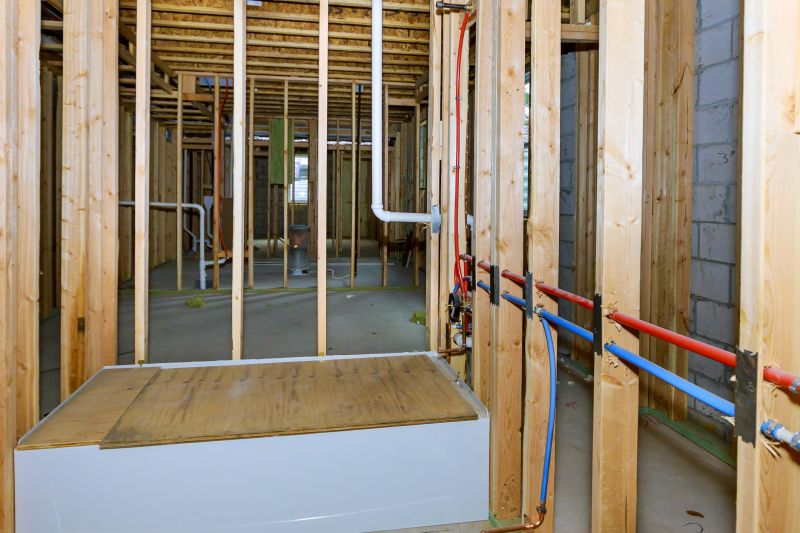
Homeowners planning a home addition or remodel often seek plumbing planning tips to ensure the project runs smoothly. Properly integrating new plumbing fixtures or extending existing systems can prevent costly issues down the line. Property owners in the area might look for guidance on how to coordinate plumbing layouts, avoid future disruptions, and ensure compliance with local building standards. Connecting with experienced local contractors can help streamline these aspects, providing expert advice on how to best incorporate plumbing into renovation plans, whether it’s adding a new bathroom or expanding a kitchen.
Many property owners turn to local service providers to handle the complexities of remodeling and home additions plumbing. These professionals can assess existing plumbing infrastructure, suggest optimal routes for new pipes, and ensure the system functions efficiently after the project is complete. By working with local contractors, homeowners gain access to tailored solutions that consider the specific layout and needs of their property. This approach helps prevent common issues like leaks, inadequate water pressure, or drainage problems, making the entire process more manageable and ultimately delivering a successful remodel or addition.
What are essential plumbing considerations for home additions and remodels? Proper planning includes assessing existing plumbing systems, ensuring adequate water supply and drainage, and designing layouts that accommodate future needs. Local contractors can evaluate your space and help develop a plumbing plan that fits your project.
How can I ensure my new plumbing will integrate smoothly with existing systems? It’s important to coordinate with experienced service providers who can evaluate current plumbing infrastructure and connect new fixtures seamlessly, preventing issues like leaks or pressure problems.
What are common challenges when planning plumbing for home additions and remodels? Challenges often include limited space for new piping, maintaining proper slope for drainage, and avoiding disruptions to existing plumbing. Skilled local contractors can address these issues effectively during the planning phase.
Are there specific plumbing codes or regulations to consider during remodels? Yes, local plumbing codes must be followed to ensure safety and compliance. Professional service providers are familiar with these requirements and can help navigate the permitting process.
What tips can help prevent future plumbing problems in home additions and remodels? Using high-quality materials, proper pipe sizing, and thorough planning of fixture placement can reduce issues later. Consulting with experienced local pros ensures the plumbing system is durable and efficient.
Assess existing plumbing infrastructure - evaluate current plumbing layouts to determine how new additions or remodels will integrate, ensuring efficient water flow and proper drainage.
Plan for future water needs - consider potential changes in water usage during remodeling to select appropriate fixtures and pipe sizes, with guidance from local contractors.
Coordinate with other trades - work with electricians and carpenters early in the planning process to ensure plumbing routes do not interfere with other systems or structural elements.
Prioritize code compliance - ensure all plumbing plans meet local building codes and regulations, with local service providers helping to navigate necessary permits and standards.
If you are thinking about plumbing planning tips for home additions and remodels for a property, this guide is meant to help you understand this topic, the typical project types, and how different options might fit your plans.
When you are ready, you can use the quote form on this page to share a few details about your project. From there, local pros can review the basics and follow up with options that match what you have in mind.