Plumbing Considerations When Adding A Bathroom To A Home
When adding a bathroom to a home, local contractors specializing in bathroom plumbing installation can ensure proper connections and code compliance for a smooth, safe setup.
Adding a bathroom to a home is an exciting upgrade that can enhance comfort and increase property value. However, understanding the plumbing considerations when adding a bathroom to a home is essential for ensuring a smooth and successful installation. Property owners in the area often explore this topic to plan effectively, avoid costly mistakes, and ensure their new space functions properly. Local contractors who specialize in bathroom plumbing installation can help navigate these challenges, providing practical solutions tailored to the home's existing infrastructure.
Keeping these plumbing considerations in mind can make the process more straightforward and help prevent common issues such as drainage problems or inadequate water supply. Whether expanding an existing layout or creating a new bathroom from scratch, working with experienced service providers ensures that the plumbing system is designed and installed correctly from the start. This focus on proper planning and execution can make a significant difference in achieving a functional, reliable bathroom that meets the needs of the household.
- Bathroom plumbing installation - is needed when adding a new bathroom, and local contractors assess existing plumbing layouts to ensure proper connections.
- Fixture and drain setup - becomes necessary when choosing new fixtures, with service providers planning pipe routing to prevent future issues.
- Water supply line installation - is essential during bathroom additions, and local pros evaluate water pressure and line placement for optimal performance.
- Ventilation and drainage considerations - are addressed by local contractors to ensure proper airflow and prevent sewer gas issues in new bathroom spaces.
- Upgrading existing plumbing systems - may be required when integrating a bathroom, with service providers inspecting and modifying current plumbing to meet new demands.
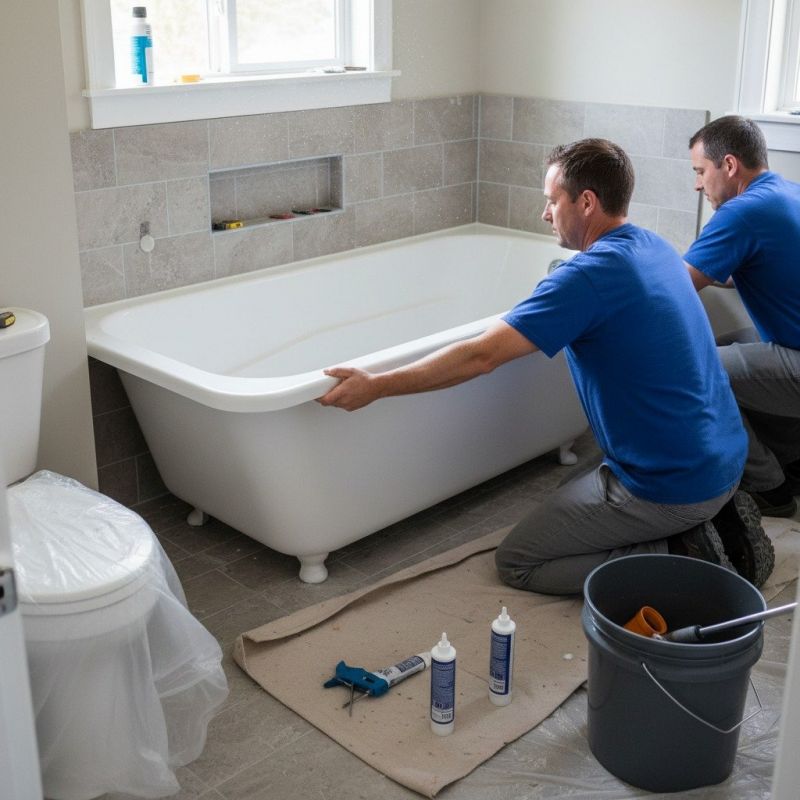
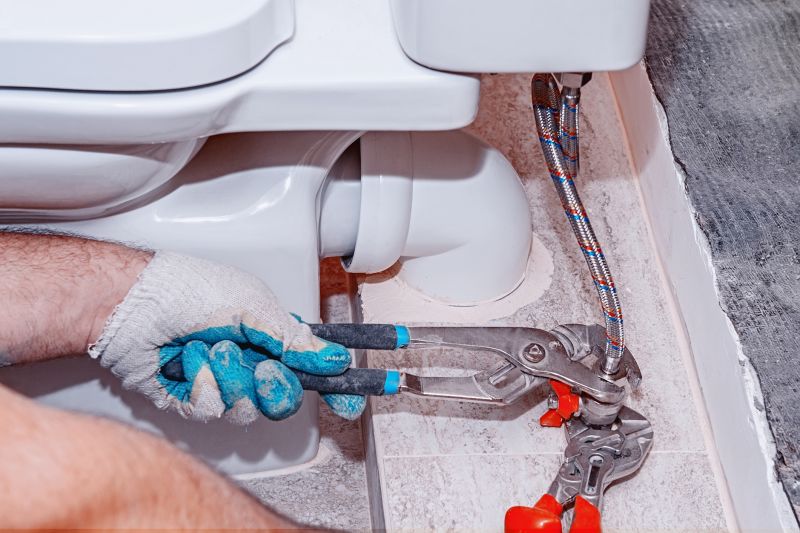
When homeowners search for information about plumbing considerations when adding a bathroom to a home, they are often exploring the practical aspects of expanding or modifying their property to include this new feature. This topic typically relates to renovation or remodeling projects, especially when a home is being adapted to accommodate more residents or improve comfort and functionality. Common problems encountered include ensuring proper water supply and drainage, managing existing plumbing infrastructure, and planning for the best placement of fixtures like toilets, sinks, and showers. Homeowners may also be considering issues such as whether their current plumbing system can support additional fixtures or if upgrades are necessary to prevent future problems.
The types of properties involved in these projects can vary widely, from single-family homes and townhouses to multi-unit buildings and older residences. In many cases, older homes may require more extensive plumbing work to meet modern standards or to accommodate new bathroom layouts. Newer properties might involve more straightforward additions but still require careful planning to ensure plumbing systems are correctly integrated. Whether the project involves converting a basement, repurposing a closet, or building an extension, understanding the existing plumbing setup and how to connect new fixtures is essential. Local service providers specializing in bathroom plumbing installation can assess the property's unique plumbing infrastructure and recommend solutions tailored to each property type.
A key plumbing consideration when adding a bathroom is the location of existing water and sewer lines. Service providers can evaluate whether current pipes can support a new fixture or if rerouting is necessary. Proper venting is another crucial factor, as it ensures that drains function correctly and prevents unpleasant odors or drainage issues. Additionally, the proximity to existing plumbing lines can influence the complexity and cost of the project. For homes with limited space or challenging layouts, local contractors can help plan the most efficient plumbing routes, minimizing disruptions and ensuring reliable operation once the bathroom is operational.
Finally, understanding how local plumbing codes and standards impact bathroom additions is vital for a successful project. While these regulations vary by location, they generally dictate requirements for pipe sizing, venting, and fixture placement to ensure safety and functionality. Engaging experienced service providers familiar with local standards can help navigate these considerations and avoid costly errors. They can also advise on the best materials and installation practices for durable, long-lasting plumbing systems. For homeowners planning a bathroom addition, working with knowledgeable local contractors ensures that plumbing considerations are thoroughly addressed, leading to a smooth and trouble-free project.
Kitchen Plumbing Remodels - these projects involve rerouting and installing plumbing systems, requiring similar planning and tools as adding a bathroom to ensure proper water flow and drainage.
Basement Finishing Projects - converting a basement into living space often includes installing new plumbing lines, making the skills used in bathroom additions highly relevant.
Laundry Room Installations - setting up laundry areas involves plumbing connections for water supply and drainage, paralleling the work needed for bathroom plumbing considerations.
Garage Conversions - transforming a garage into a livable space frequently requires plumbing work, making it comparable to bathroom addition projects in planning and execution.
Kitchen Sink and Fixture Installations - installing new sinks and fixtures involves plumbing skills similar to those needed for bathroom plumbing considerations when adding a new bathroom.
Utility Room Upgrades - upgrading or installing utility rooms often involves complex plumbing work, closely related to the skills used in adding bathrooms to homes.
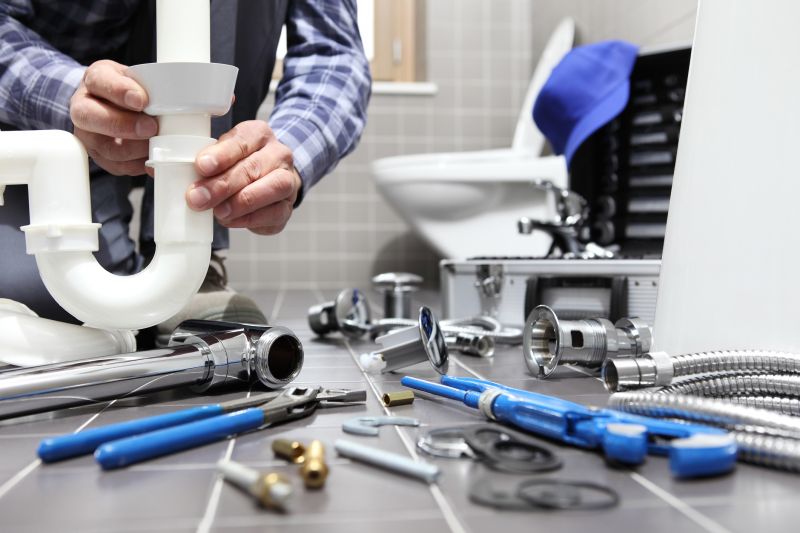
When comparing service providers for bathroom plumbing installation, it is important to evaluate their experience with similar projects. Homeowners should inquire about the types of bathroom additions the contractors have completed in the past, paying particular attention to projects that involved adding a new bathroom within existing plumbing systems. A contractor’s familiarity with the specific plumbing considerations when adding a bathroom to a home can help ensure the work is done efficiently and correctly, reducing the likelihood of future issues related to drainage, water supply, or code compliance.
Clear written expectations are essential when selecting a local contractor for bathroom plumbing services. Homeowners should seek detailed estimates and scope of work that outline the specific tasks involved, including any necessary modifications to existing plumbing, fixture installation, and venting considerations. Having a comprehensive understanding of what the project entails helps prevent misunderstandings and provides a basis for comparing proposals across different service providers.
Reputable references and effective communication are also key factors to consider. Homeowners are encouraged to ask for references from previous clients who had similar bathroom addition projects, especially those that involved complex plumbing considerations. Good communication from the contractor ensures that questions about plumbing requirements and project details are answered clearly and promptly, which can lead to smoother project execution. Selecting a service provider who demonstrates transparency, responsiveness, and a history of satisfied clients can contribute to a successful bathroom addition that meets all plumbing needs.
Property owners often search for plumbing considerations when adding A bathroom to A home when they are planning practical projects around their homes and businesses. Local pros provide Bathroom Plumbing Installation services for everyday jobs and straightforward project options.
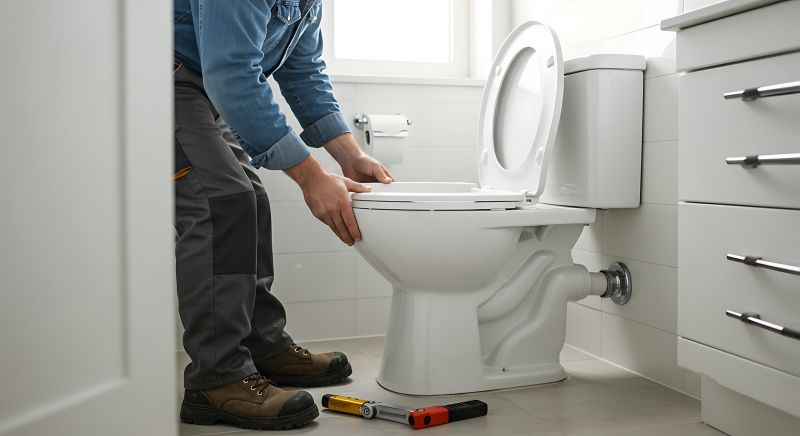
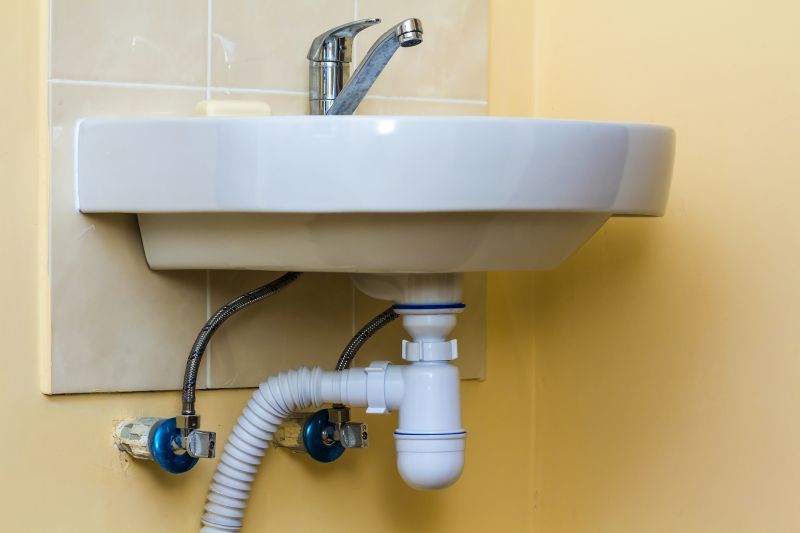
Adding a bathroom to a home involves several plumbing considerations that property owners in the area often research to ensure a smooth and functional installation. Understanding how existing water lines and drainage systems will connect to new fixtures is a common concern, especially in homes where space is limited or renovations are underway. People frequently seek out information on how to plan for proper water pressure, ensure adequate drainage, and avoid potential issues like leaks or backups that could disrupt daily routines. Consulting with local contractors can help address these practical aspects, making sure the plumbing setup supports the new bathroom’s needs without causing problems later on.
Property owners might also look into the complexities of extending or modifying existing plumbing infrastructure when adding a bathroom. This can include considerations like the placement of the bathroom relative to the main water supply and sewer lines, as well as the need for any upgrades to handle increased demand. Many turn to local service providers who specialize in bathroom plumbing installation to navigate these challenges effectively. These professionals can evaluate the home’s current plumbing system, recommend suitable solutions, and ensure the new bathroom functions efficiently and reliably for years to come.
What plumbing considerations are important when adding a bathroom to a home? Ensuring proper drainage, adequate water supply lines, and appropriate venting are key plumbing considerations that local contractors address during bathroom additions.
How does existing plumbing impact adding a new bathroom? Existing plumbing layout influences the complexity of installation, with local service providers evaluating whether new lines can connect efficiently or if upgrades are necessary.
Are there specific plumbing codes or regulations to consider? Yes, local plumbing codes dictate requirements for fixtures, venting, and pipe sizing, and local contractors ensure installations comply with these standards.
What challenges might arise with plumbing when adding a bathroom upstairs or in a new location? Challenges include routing pipes through existing structures and ensuring proper slope for drainage, which local pros plan for during installation.
How can I ensure proper water pressure and drainage after adding a bathroom? Proper planning of pipe sizing, venting, and fixture placement by local service providers helps maintain optimal water pressure and effective drainage.
Assessing plumbing layout options - Property owners can work with local contractors to evaluate existing plumbing routes and determine the best placement for a new bathroom to minimize disruptions.
Planning for water pressure needs - Considering the home's water pressure capacity helps ensure the new bathroom's fixtures function properly, with local pros providing guidance on necessary upgrades if needed.
Ensuring proper drain and venting systems - Proper drain and venting considerations are essential for preventing backups and odors, and local service providers can design systems that meet these requirements.
Choosing suitable fixture locations - Selecting strategic locations for fixtures can optimize plumbing efficiency and accessibility, with local pros assisting in planning for future maintenance and repairs.
If you are thinking about plumbing considerations when adding A bathroom to A home for a property, this guide is meant to help you understand this topic, the typical project types, and how different options might fit your plans.
When you are ready, you can use the quote form on this page to share a few details about your project. From there, local pros can review the basics and follow up with options that match what you have in mind.